Guru Parampara · Charukeerthi Peetha

Bhattaraka Parampara

The sacred, unbroken succession of Jagadguru Swasthishree Charukeerthi Bhattaraka Mahaswamijis of the Shri Digambara Jain Matha, Shravanabelagola—spiritual custodians of Lord Gommateshwara, administrators of the holy Kshetra, and pillars of Jain heritage through the centuries.

Chronicle of the Peetha Mula Sangha · Deshiya Gana · Pustaka Gachha · Kundakunda Anvaya

The Historical Parampara (Lineage of the 32 Bhattarakas)

The sacred Bhattaraka Parampara of Shravanabelagola traces its spiritual ancestry directly to Lord Mahavira, Gautama Ganadhara, and the revered philosopher-monk Acharya Kundakunda (1st century CE). In the Digambara Jain tradition, the Charukeerthi Bhattaraka Peetha at Shravanabelagola represents the premier throne of the Mula Sangha, Deshiya Gana, Pustaka Gachha.

The Origin of the Title “Charukeerthi”:
During the medieval period, the Hoysala ruler was afflicted by a grave, seemingly incurable illness. The reigning Bhattaraka of Shravanabelagola cured the king through spiritual merit and rare Ayurvedic herbal knowledge. In profound gratitude and reverence, the monarch bestowed upon the revered Bhattaraka the royal hereditary title “Charukeerthi” (“One of graceful and stainless fame”)—a title proudly borne by every successor to this day.

Across more than a millennium, approximately thirty-two illustrious Bhattarakas have occupied this sacred Peetha. Below is the historical chronicle and Pattavali of the Charukeerthi succession across the major epochs of Karnataka and Indian history:

No. Bhattaraka Historical Era Spiritual, Architectural & Historical Significance
01 Acharya Kundakunda c. 1st Century CE The primordial source of the Kundakunda Anvaya. Author of Samayasara, Pravacanasara, and foundational Digambara philosophy.
02 Early Pattacharyas 2nd–5th Century CE Preservation of the oral canonical tradition in southern India following the Dakshina Patha migration.
03 Acharya Nemichandra 10th Century (c. 980 CE) Spiritual preceptor to General Chavundaraya; author of Gommatsara; guided the initial carving and consecration of the Bahubali monolith.
04 Charukeerthi I Early 12th Century Hoysala era. Cured Hoysala King Ballala of severe illness; conferred the hereditary title “Charukeerthi”.
05 Charukeerthi II c. 1115–1140 CE Reign of King Vishnuvardhana. Patronage from Ganga General Gangaraja, who restored temple enclosures on Vindhyagiri and Chandragiri.
06 Charukeerthi III c. 1145–1175 CE Reign of Narasimha I. Consecration of Savatigandhavarana Basadi and major stone inscriptions recording royal land grants.
07 Charukeerthi IV Late 12th Century Patronage by Hoysala general Hulla; construction and expansion of the grand Bhandari Basadi (Bhavya Choodamani).
08 Charukeerthi V Early 13th Century Reign of Ballala II. Expansion of Matha institutions and establishment of systematic village administration for temple upkeep.
09 Charukeerthi VI Mid-13th Century Maintenance of ancient stone inscriptions, transcription of palm-leaf manuscripts, and seasonal pilgrim hospitality.
10 Charukeerthi VII Late 13th Century Preserved temple worship through the twilight of the Hoysala dynasty; maintained spiritual sanctuary at Chandragiri.
11 Charukeerthi VIII c. 1360–1385 CE Vijayanagara era. Mediated the famous 1368 CE edict of Bukka Raya I, establishing communal harmony between Jains and Vaishnavas.
12 Charukeerthi IX Late 14th Century Harihara II era. Received royal grants and charters protecting Jain endowments across southern Karnataka.
13 Charukeerthi X Early 15th Century Reign of Deva Raya I. Conduct of grand Mahamastakabhishekas and expansion of matha library collections.
14 Charukeerthi XI c. 1430–1460 CE Deva Raya II period. Promoted Kannada and Prakrit literary compositions; consecrated secondary shrines on Chandragiri.
15 Charukeerthi XII Late 15th Century Saluva Dynasty patronage. Preservation of pilgrimage safety and sacred stepwells (Kalyani).
16 Charukeerthi XIII c. 1509–1530 CE Golden Age of Vijayanagara under Emperor Krishnadevaraya. Imperial patronage and royal copper plate grants to the Matha.
17 Charukeerthi XIV c. 1530–1555 CE Achyuta Deva Raya era. Renovation of pillared mandapas and hill step pathways.
18 Charukeerthi XV Late 16th Century Safeguarded the sacred icons, basadis, and manuscripts during the regional geopolitical shifts post-1565 CE.
19 Charukeerthi XVI Early 17th Century (c. 1610) Transition to Mysore Wodeyar patronage under Raja Wodeyar; confirmed historical matha land rights and rituals.
20 Charukeerthi XVII c. 1640–1665 CE Reign of Kanthirava Narasaraja Wodeyar. Renovation of matha residential complexes and temple car festival (Rathotsava).
21 Charukeerthi XVIII c. 1673–1704 CE Reign of Chikka Devaraja Wodeyar. King granted royal copper plate charters and several villages for the perpetual worship of Bahubali.
22 Charukeerthi XIX Early 18th Century Maintained temple rites and food distribution (Annadana) during regional Maratha and Mughal conflicts in the Deccan.
23 Charukeerthi XX Mid-18th Century Restoration of stone railings, pathway steps, and water harvesting structures on Vindhyagiri Hill.
24 Charukeerthi XXI Late 18th Century Preservation of sacred palm-leaf granthas; conducted traditional anointing ceremonies under Mysore court patronage.
25 Charukeerthi XXII c. 1800–1835 CE Reign of Mummadi Krishnaraja Wodeyar. The Maharaja visited Shravanabelagola in state, presenting a royal silver palanquin and gold ornaments.
26 Charukeerthi XXIII c. 1835–1865 CE Mummadi Krishnaraja Wodeyar sponsored complete renovations; active scholarly collaboration with early epigraphists and archaeologists.
27 Charukeerthi XXIV c. 1865–1890 CE Organized the historic 1887 Mahamastakabhisheka supported by Maharaja Chamarajendra Wodeyar X; assisted B. Lewis Rice in compiling Epigraphia Carnatica Vol. II.
28 Charukeerthi XXV c. 1890–1909 CE Commissioned the vivid wall paintings and narrative fresco murals depicting Jain Tirthankaras and historical kings inside the Jain Matha.
29 Charukeerthi XXVI 1909–1925 CE Presided over the 1910 and 1925 Mahamastakabhishekas under Maharaja Nalwadi Krishnaraja Wodeyar; founded classical Pathashalas.
30 Charukeerthi XXVII 1925–1940 CE Conducted the 1940 Mahamastakabhisheka; promoted modern publishing of sacred Jain texts and encouraged pan-Indian pilgrimage welfare.
31 Charukeerthi XXVIII 1940–1969 CE Led the 1953 and 1967 Mahamastakabhishekas; instituted the modern S.D.J.M.I.M.C Trust in 1967 to ensure structured governance.
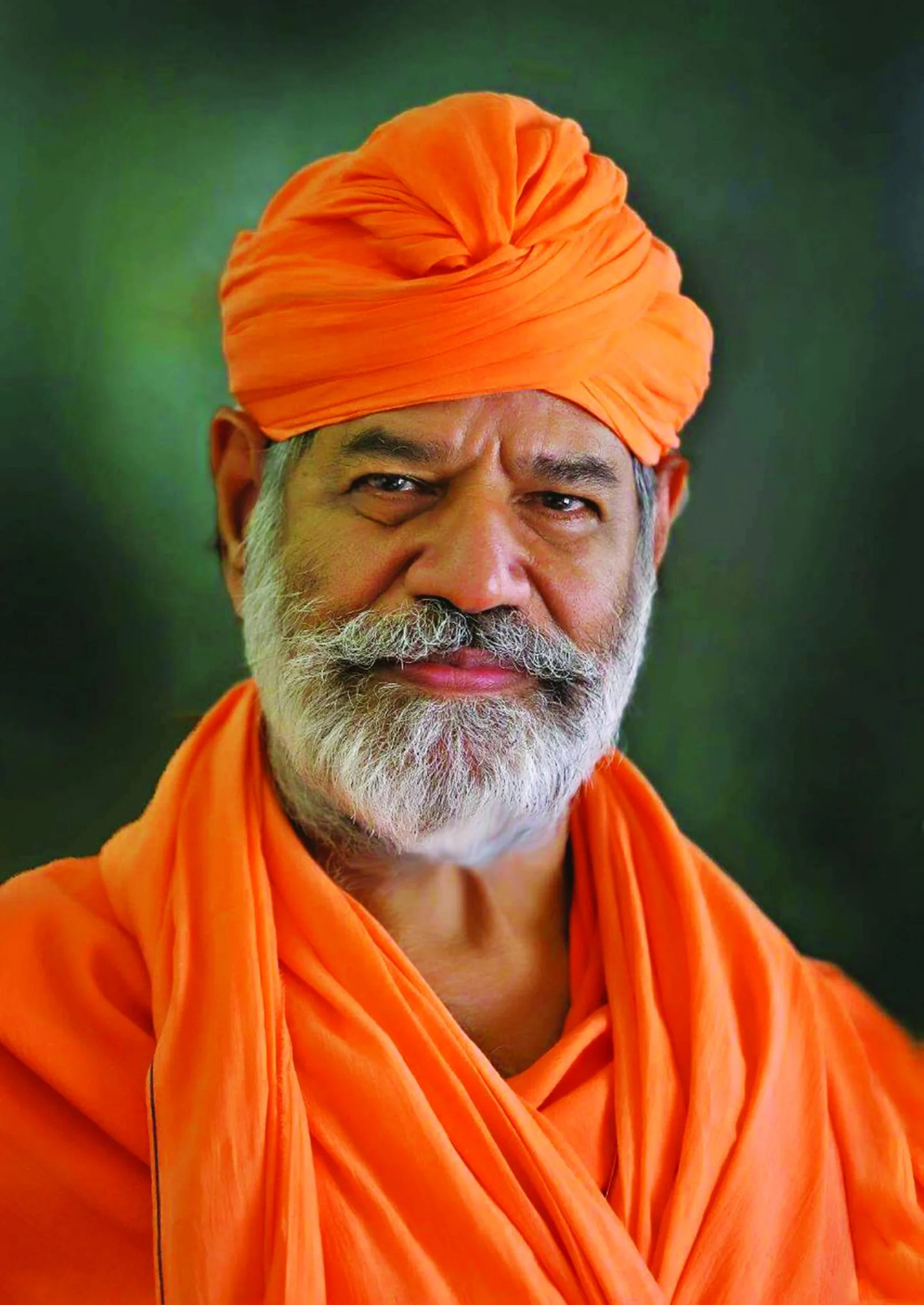
32 Jagadguru Karmayogi Swasthishree Charukeerthi Mahaswamiji 1970–2023 CE The modern renaissance builder (53-year reign). Presided over 1981 (1,000th year), 1993, 2006, 2018 Mahamastakabhishekas. Founded SSDJJP Sangha, SET Trust, NIPSAR, modern hospitals and schools. Conferred title “Karmayogi”.
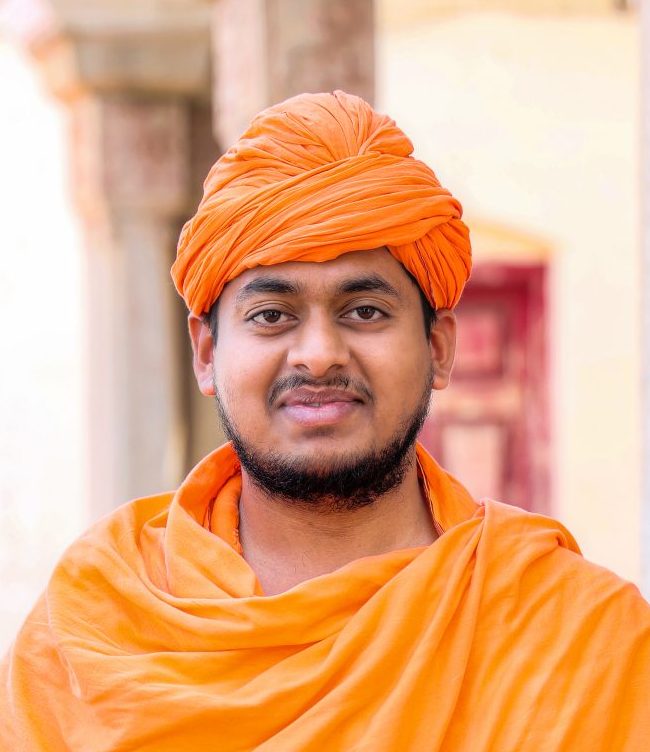
33 Jagadguru Swasthishree Charukeerthi Mahaswamiji April 2023 – Present Present Peethadhipathi. Scholar of Sanskrit, Prakrit, and Jain philosophy. Chair of S.D.J.M.I.M.C Trust; steering preparations for the landmark 2030 Mahamastakabhisheka.

Note on Epigraphy: The numbered succession reflects the traditional Pattavali chronicles recorded in the matha archives and corroborated by the stone inscriptions across Vindhyagiri, Chandragiri, and the Belagola Matha as published in Epigraphia Carnatica.