Historical Overview
Sacred Chronicle of Shravanabelagola
+
−
Shravanabelagola, a world-renowned Jain pilgrimage center, is adorned with sacred Kalpavriksha
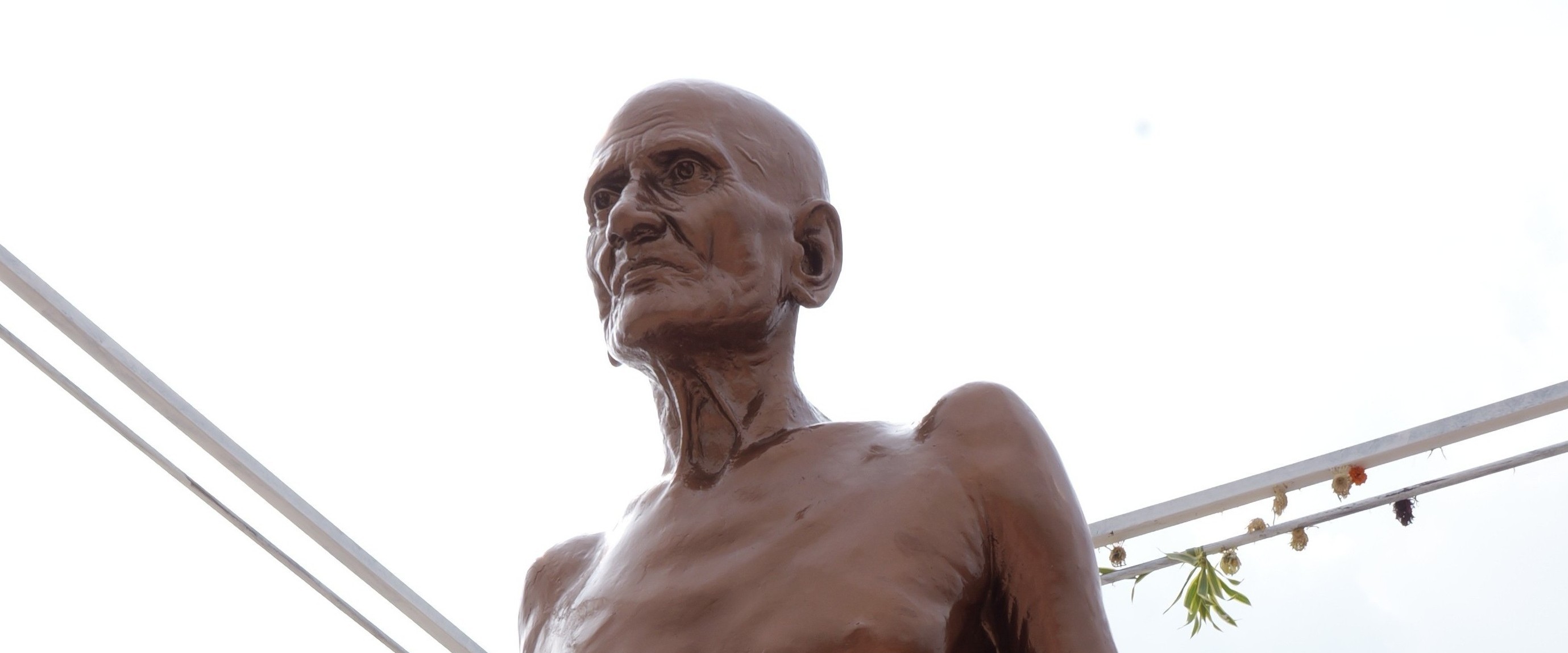
(wish-fulfilling trees). This holy site is sanctified by the presence of the final Shrutakevali
(omniscient teacher) of Jainism, Acharya Shri Bhadrabahu Swami, and the Mauryan emperor Chandragupta,
who
attained samadhi here after renouncing worldly life.
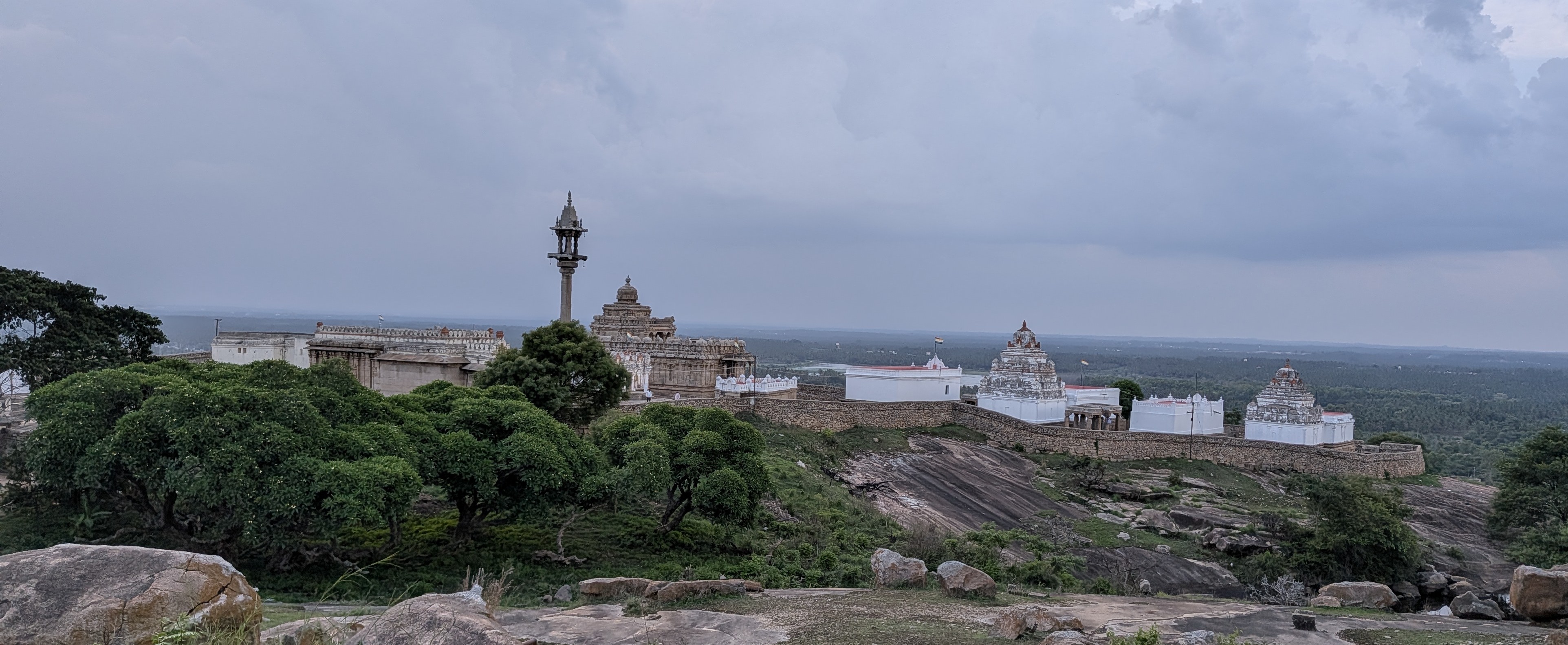
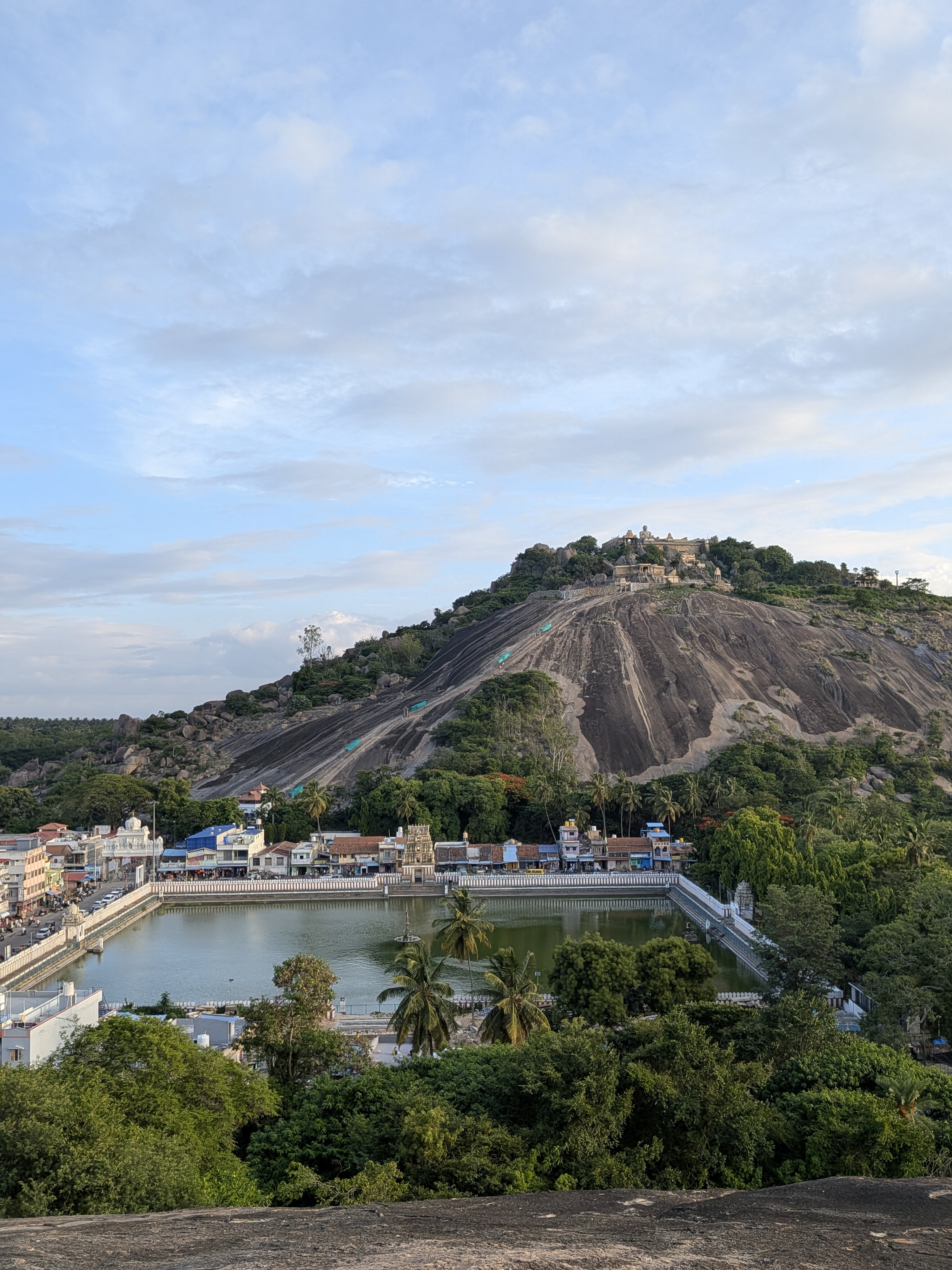
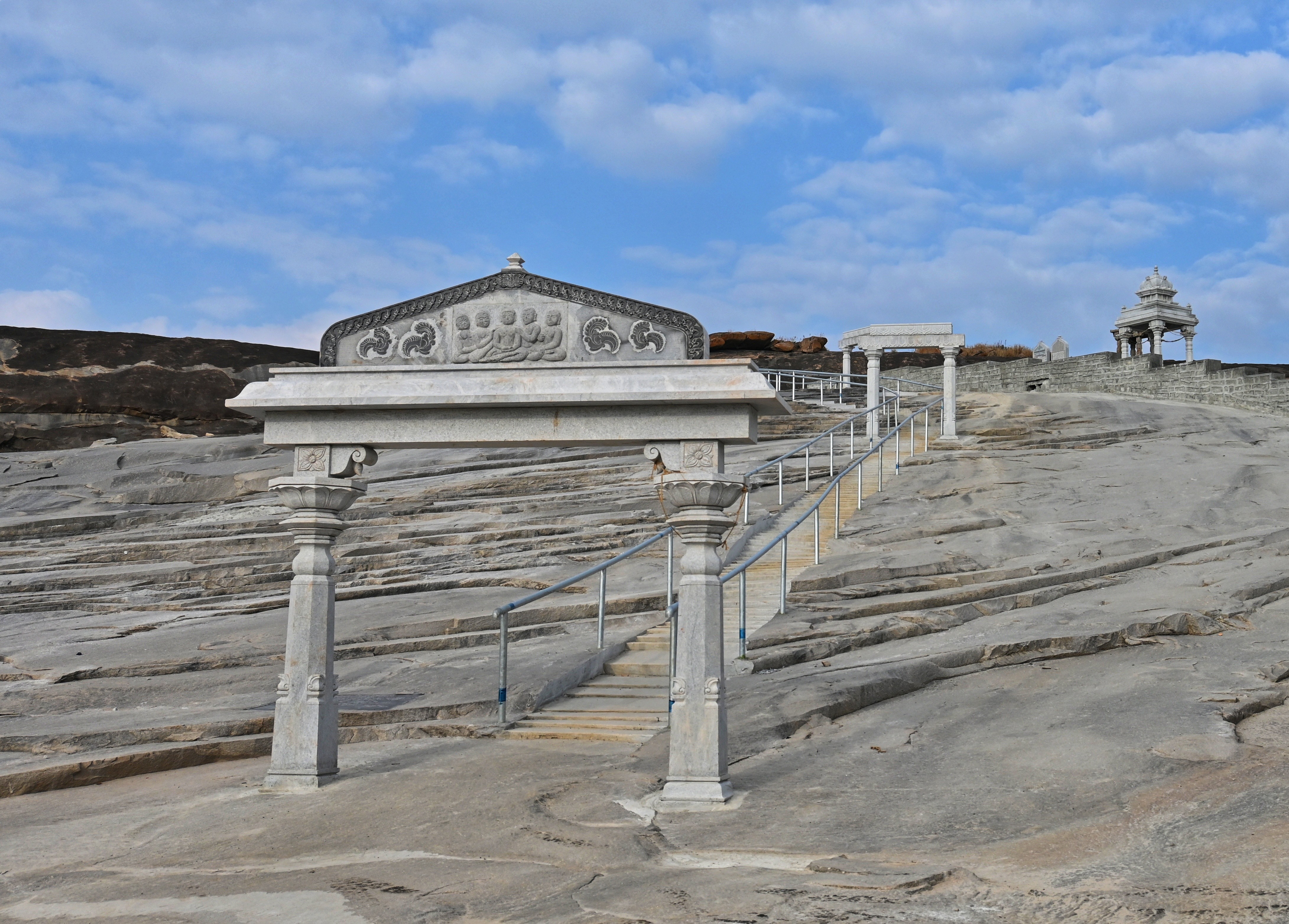
The hill of Chandragiri, was known until the early 10th century as Katavupura Giri or Kalavappu, and
served as a spiritual center for monks and ascetics.
The great general and chief minister Chavundaraya under Ganga dynasty, fulfilling the wish of his
mother
Kalaladevi, under the blessings and guidance of the spiritual leader Acharya Nemichandra Siddhanta
Chakravarti, commissioned the grand statue of Gommateshwara (Bahubali).
This site, home to 40 Jain temples, holds the highest number of stone inscriptions (573) in Karnataka,
including the earliest Marathi inscription, various Nishidhi mandapas (memorials) and sacred Kalyanis
(tanks).
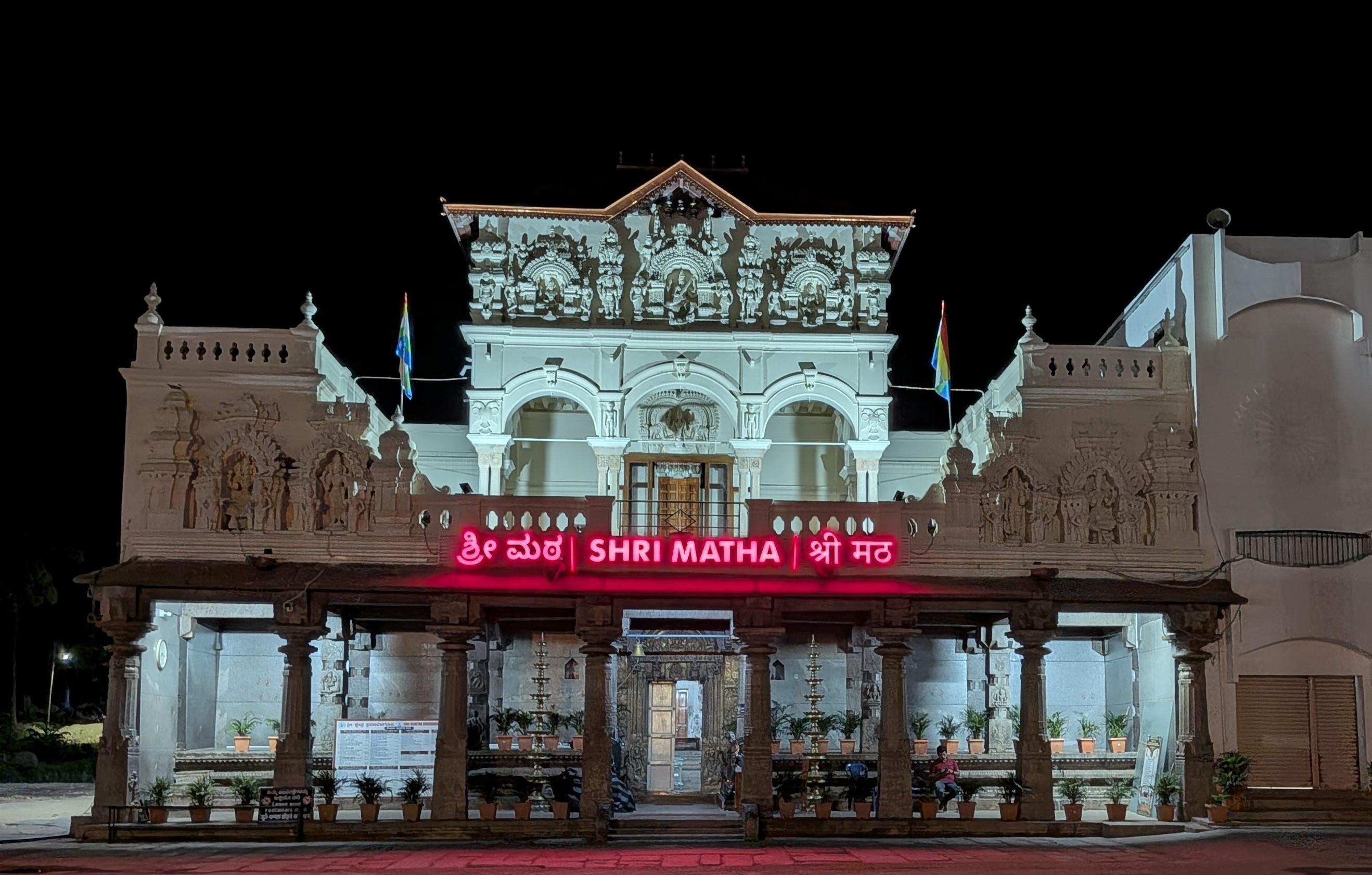
Shravanabelagola, beautifully adorned and historically rich for over 2300 years, was known in ancient
times by several names such as Kalavappa, Katavapra, Jain Bhadripura, Pargalvappu, Dhavalateertha and
Belgola. For nearly 2500 years, this place has remained a prominent and uninterrupted center of
Digambara
Jainism.